
29 years after Uphaar tragedy, victims' association says no lessons learnt
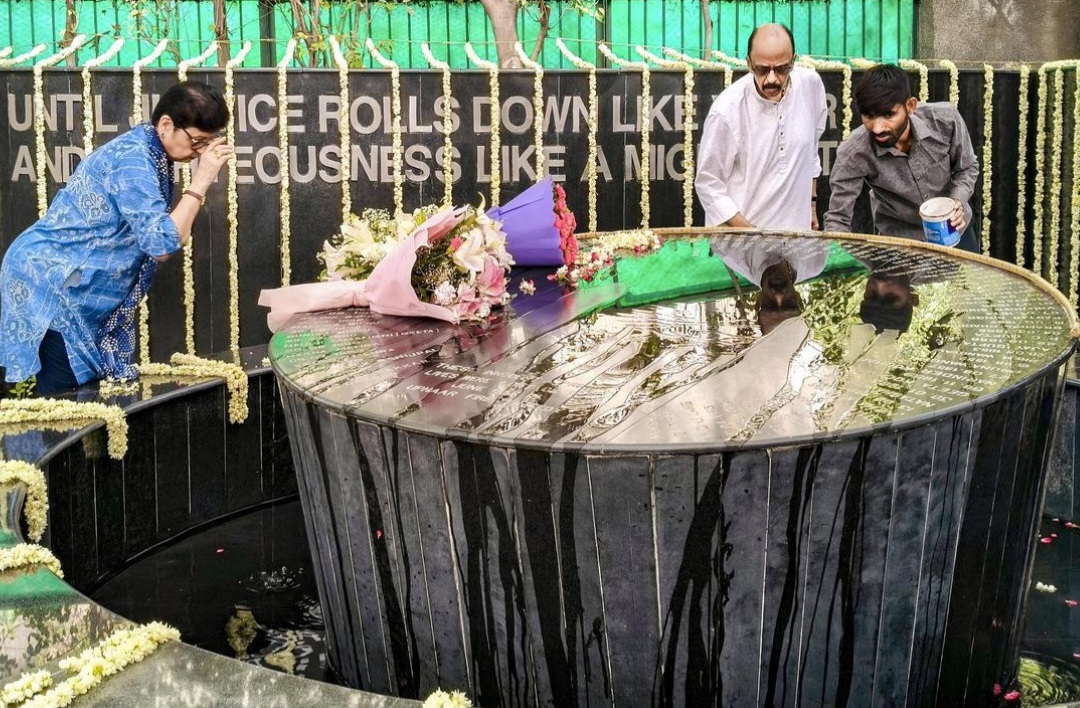
New Delhi(13/06/2026) By Subham Bose: Twenty-nine years after the devastating fire at the Uphaar Cinema claimed dozens of lives and left hundreds affected, members of the victims’ association have expressed concern that the lessons from the tragedy have not been fully implemented, warning that gaps in public safety continue to put lives at risk. Marking the anniversary of the disaster, representatives of the Association of Victims of Uphaar Tragedy (AVUT), survivors, and family members of those who lost their lives gathered to pay tribute to the victims and reflect on the long struggle for justice and accountability.They argued that despite improvements in fire safety regulations and building codes over the years, enforcement remains inconsistent and many public venues still fail to meet essential safety standards. The Uphaar tragedy occurred on June 13, 1997, when a fire broke out at the cinema hall in Delhi during the screening of a popular film.The blaze, triggered by an electrical fault, quickly spread smoke through the building.Many people became trapped inside due to blocked exits, inadequate emergency arrangements, and overcrowding.The incident resulted in the deaths of 59 people and injuries to more than 100 others, becoming one of the country's most tragic fire disasters. Speaking on the anniversary, members of the victims’ association said their nearly three-decade-long campaign was not only about securing justice for the victims but also about ensuring that similar tragedies never occur again.They contended that while legal and regulatory reforms have been introduced, implementation often remains weak, especially in crowded public spaces such as cinemas, shopping complexes, hospitals, schools, and commercial establishments. Association representatives pointed to several major fire incidents reported across India in recent years, arguing that recurring disasters indicate systemic shortcomings in safety compliance and monitoring.They stressed that regulations alone are insufficient unless accompanied by rigorous inspections, accountability mechanisms, and strict penalties for violations. Family members of the victims recalled the emotional and personal toll of the tragedy, saying that the pain of losing loved ones has not diminished with time.Many emphasized that the anniversary serves as a reminder of the importance of vigilance and institutional responsibility in protecting public safety. Over the years, the Uphaar case became one of India's most closely watched legal battles.The victims’ families pursued a prolonged legal campaign seeking accountability from those responsible for safety lapses that contributed to the loss of life.The case led to extensive public discussion about fire safety standards, emergency preparedness, and the responsibilities of building owners and regulatory authorities. Safety experts note that the disaster prompted significant changes in regulations governing public venues.Fire exits, evacuation plans, emergency lighting systems, and occupancy limits have received greater attention since the incident.However, experts also acknowledge that compliance varies widely across regions and sectors, with periodic reports continuing to highlight deficiencies in safety infrastructure. The victims’ association urged governments, municipal bodies, and regulatory agencies to conduct regular audits of public buildings and ensure that emergency response systems remain functional.Members also called for greater public awareness about evacuation procedures and emergency preparedness, arguing that informed citizens can play an important role during crises. Several social activists and legal experts joined the anniversary observance, emphasizing the need to preserve the memory of the tragedy as a lesson in the consequences of negligence.They said public safety must remain a priority in urban planning and infrastructure development, especially as cities become more densely populated and complex. As tributes were paid to those who lost their lives in the 1997 disaster, survivors and families reiterated their demand for a culture of accountability and safety.For them, the annual remembrance is not merely about mourning the past but about ensuring that the mistakes that led to the Uphaar tragedy are not repeated. Nearly three decades after the fire shook the nation, the victims’ association maintains that the true legacy of the tragedy will be measured not by memorials or anniversaries, but by the extent to which authorities and institutions succeed in safeguarding lives and preventing future disasters.
Trending

7.5-magnitude quake strikes Venezuela seconds after Foreshock

Government reiterates Ethanol Blending Programme is scientifically validated and continuously monitored

Cabinet reshuffle buzz grows after George Kurian's exit; major changes in Modi Government expected soon

Ministry of Mines auctions 10 critical mineral blocks under 7th tranche

Odisha strengthens Kharif 2026 preparedness following review by Union Agriculture Minister
Visit Our Odia News Site